There is one sentence often heard when someone is arrested for carrying a bag, suitcase, or package containing psychotropic substances:
“I did not know.”
That statement may be true.
But in a psychotropic substance case, saying “I did not know” does not automatically make someone free from legal risk.
The law will ask further questions:
If you did not know, why was the item with you?
Who gave it to you?
What were you told about its contents?
Is there any chat, message, or other proof?
Who arranged the trip?
Did you receive any money?
Did you explain from the beginning who gave you the item?
These questions often shock the family. From the person’s point of view, he or she may feel that they were only helping to carry someone else’s item. But from the law enforcement point of view, the item was found in that person’s possession or travel route.
This is the main problem.
In a psychotropic substance case, lack of knowledge is not enough to be spoken. It must be explained and proven.
A Simple Favour That Becomes a Criminal Case
Imagine someone travelling from abroad, for example from Milan to Hong Kong, with a transit in Indonesia.
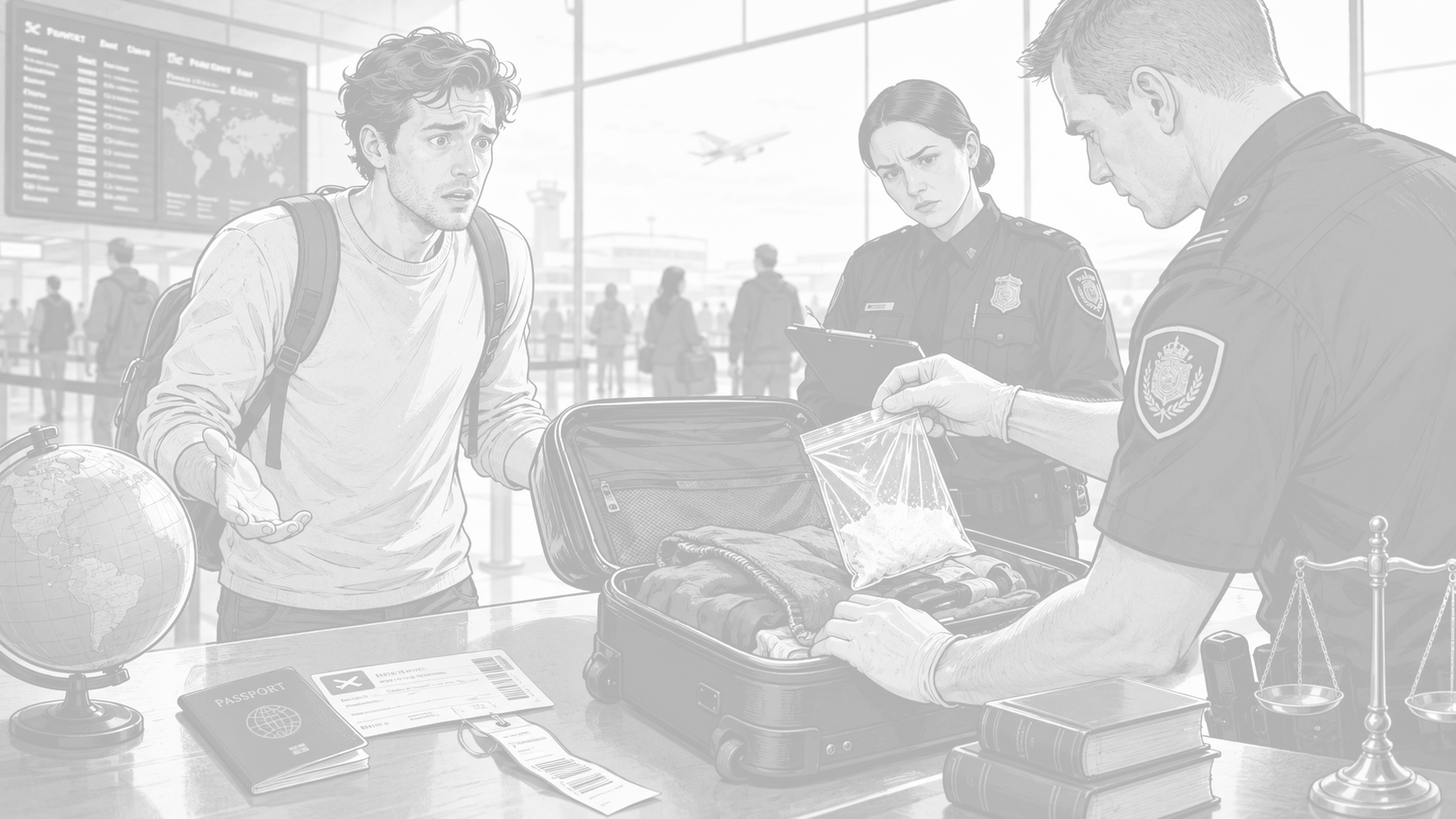
Before departure, an acquaintance asks for help to carry a suitcase. The person is told that the suitcase contains clothes, personal items, or family belongings. Because of trust, the person agrees to carry it. The suitcase is not opened. There is no feeling of committing any crime. It feels like a simple favour.
But during transit, the suitcase is inspected. Officers find psychotropic substances inside.
In a moment, an ordinary trip becomes a serious criminal matter.
The person panics and says:
“I did not know.”
“This is not my item.”
“I was only asked to carry it.”
As human beings, we can understand the panic. But legally, those words are not enough.
The authorities will still investigate. The police will examine the case. The prosecutor will review the case file. The court will later assess whether the statement “I did not know” is reasonable, consistent, and supported by evidence.
So the key question is not only:
“Did the person carry the item?”
The deeper questions are:
“Did the person know what was inside?”
“Was the person aware that he or she was carrying psychotropic substances?”
“Was the person part of a network?”
“Or was the person actually used as a victim?”
This difference is very important. Not everyone who carries a prohibited item is automatically a dealer, trafficker, or conscious courier.
The First Problem: Innocent People Often Say the Wrong Thing When They Panic
At the early stage of questioning, a victim is often afraid, confused, and unaware of the legal effect of his or her own answers.
For example, an officer may ask:
“Is this your suitcase?”
The person answers:
“Yes.”
But what the person really means is that the suitcase was carried during the trip. It does not necessarily mean that the suitcase belongs to him or her. It may only be a suitcase entrusted by someone else.
Or the officer may ask:
“Did you know what was inside?”
The person answers:
“I was told it contained clothes.”
If this answer is not explained properly, it may create a serious risk. It may be read as if the person knew the contents of the suitcase. In fact, the person may only be repeating what the sender or acquaintance had said.
A clearer answer would be:
“I carried the suitcase, but it was not mine. I received it from a person named X. I was only told that it contained clothes or personal items. I was never told, and I did not know, that it contained psychotropic substances.”
In a criminal case, the truth must be explained clearly. Not to create a false story, but to prevent the facts from being misunderstood.
Simple Evidence Can Be Very Important
Many families think that evidence in this kind of case must always be complicated. That is not always true.
Important evidence is often already in the hands of the person involved or the family, such as:
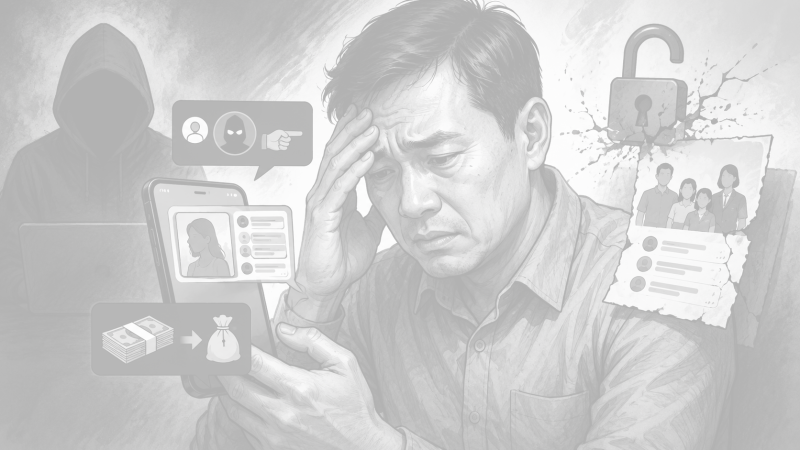
WhatsApp, Telegram, WeChat, Line, email, or social media conversations with the person who gave the item;
phone call history;
flight ticket, boarding pass, and baggage tag;
proof of ticket payment or money transfer;
hotel booking records;
photos of the suitcase or item before departure;
name and phone number of the person who gave the item;
name and phone number of the person who was supposed to receive the item at the destination;
messages stating that the item contained clothes, medicine, supplements, gifts, documents, or personal belongings;
and statements from family members or friends who knew that the person was only carrying an entrusted item.
These may look simple. But in a psychotropic substance case, simple evidence may help explain that the person was told something different from the real contents of the item.
The most important thing is this: do not delete chats. Do not edit conversations. Do not create fake evidence. Do not invent a new story.
In a criminal case, one small lie can damage many true facts that could actually help the defence.
Do Not Wait Until Trial
A common mistake is that families only look for legal counsel after the case has gone too far, or when the case file is almost ready to be submitted to court.
In psychotropic substance cases, the most serious damage often happens at the early stage.
The person may have signed a statement without fully understanding it.
The person may have given incomplete answers.
The person may have failed to mention the person who gave the item.
The person may have failed to request an interpreter when he or she did not understand the language of questioning.
The family may have been too late to secure digital evidence.
The person who gave the item may have disappeared.
The phone number may no longer be active.
The social media account may have been closed.
That is why early legal assistance is very important.
Legal assistance is not meant to teach someone to lie. It is not meant to create a story. It is not meant to avoid the law.
Legal assistance is needed so that a person who is truly a victim can explain the facts correctly, clearly, consistently, and without harming his or her own legal position.
Closing: Find the Right Legal Counsel Immediately
In a psychotropic substance case, the sentence “I did not know” is important. But it must be developed into a complete defence.
Lack of knowledge must be explained.
Lack of knowledge must be supported by evidence.
Lack of knowledge must remain consistent from the beginning.
Lack of knowledge must be defended with the right legal strategy.
If you, your family, or someone close to you is facing this kind of case, do not wait until it is too late. Prepare a clear chronology. Secure all communication records. Keep all travel documents. And find the right legal counsel as early as possible.
Advokat Irfan Disnizar dan Rekan can assist in assessing the legal position, preparing the chronology, reviewing the risks in early statements, developing a defence strategy, and providing legal assistance from the investigation stage to trial.
In psychotropic substance cases, the early stage matters.
The safest first steps are simple:
stay calm, tell the truth, secure the evidence, and seek proper legal assistance immediately.